
Overview
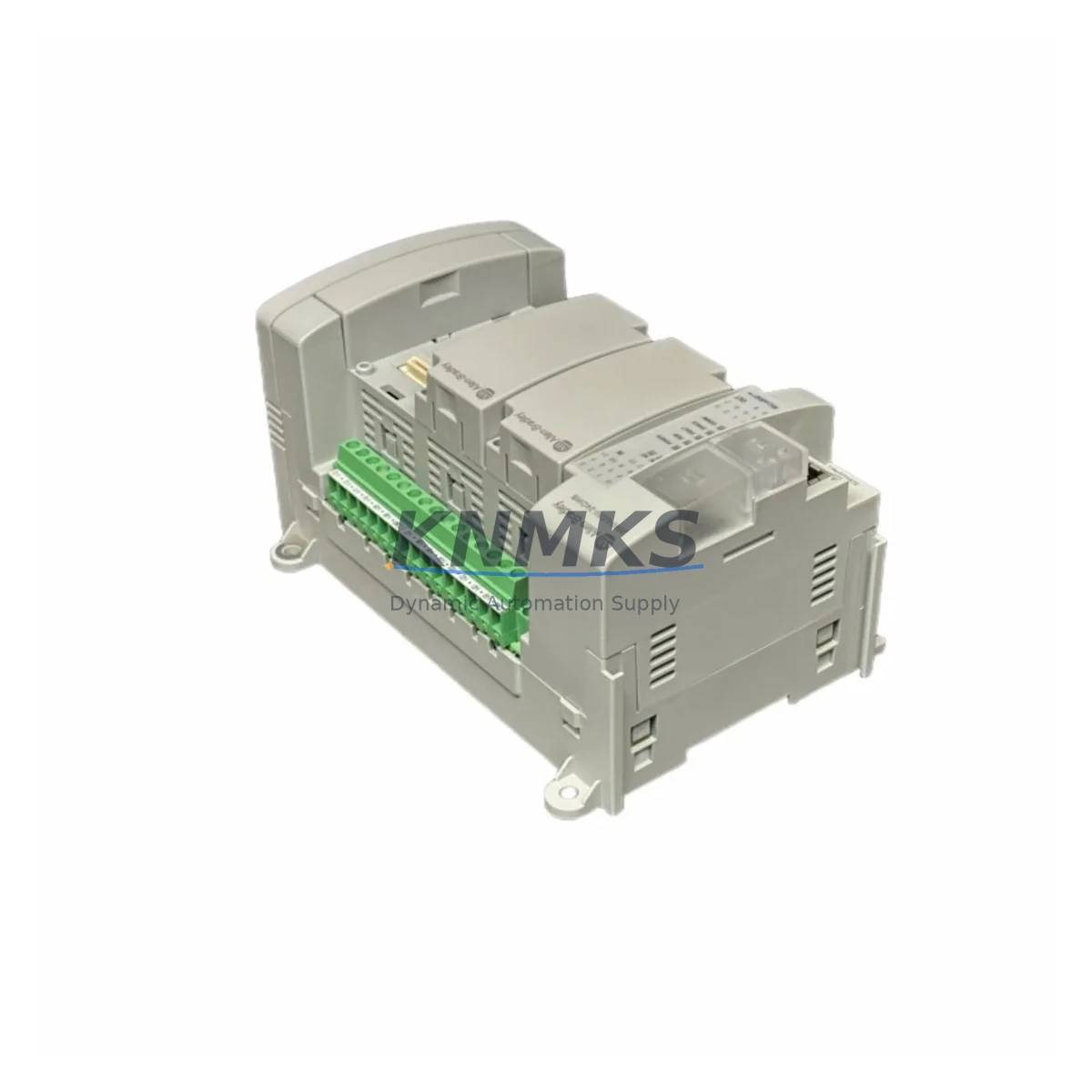
Allen-Bradley 2080-LC50-24QWB Migration-Ready PLC Controller: Legacy System Migration and Compatible Upgrade
The Allen-Bradley 2080-LC50-24QWB is a Micro850 series programmable logic controller engineered for industrial environments where legacy control systems must be modernized without disrupting production continuity. As a migration-ready replacement for end-of-life Micro830 controllers and select SLC 500 fixed I/O platforms, the 2080-LC50-24QWB delivers expanded processing capability, native EtherNet/IP communication, and a compact 24-point I/O configuration that fits directly into existing control cabinet footprints.
For maintenance engineers and system integrators managing aging automation infrastructure, the 2080-LC50-24QWB addresses the most critical retrofit challenges: terminal wiring compatibility, backplane interface alignment, module addressing, firmware version management, and HMI screen migration. Its plug-in module architecture supports up to four 2080-series plug-in modules — including analog I/O, serial communication, and RTD/thermocouple input modules — allowing engineers to replicate legacy I/O configurations without redesigning the control cabinet layout.
When replacing a Micro830 (2080-LC30 series) controller, the 2080-LC50-24QWB retains the same physical mounting footprint and DIN rail profile, significantly reducing installation space concerns. Terminal block wiring from the legacy unit can be transferred with minimal modification, provided the field wiring gauge and terminal torque specifications are verified against the 2080-LC50-24QWB’s input/output terminal ratings. Engineers should confirm 24 VDC supply capacity at the panel power supply — typically a 2080-PS120-240VAC or equivalent — to ensure adequate current headroom for the expanded plug-in module set.
Program logic migration from Connected Components Workbench (CCW) projects targeting Micro830 hardware is straightforward: existing ladder logic, function block diagrams, and structured text routines are largely compatible at the instruction level, though engineers must re-map any hardware-specific I/O tags to the 2080-LC50-24QWB’s updated I/O tree. Retentive data, PID loop parameters, and communication configuration blocks should be reviewed and re-validated during bench testing before field commissioning.
EtherNet/IP connectivity on the 2080-LC50-24QWB enables direct integration with Rockwell Automation’s FactoryTalk View ME HMI platforms, including PanelView 800 and PanelView Component terminals. When migrating from a legacy serial-based HMI link (DF1 or DH-485), engineers must update the HMI communication driver, re-map tag addresses, and verify that all alarm, trend, and navigation screens reference the correct controller tags. This step is frequently underestimated in retrofit planning and should be allocated dedicated commissioning time.
For systems that previously relied on DeviceNet or serial DF1 communication to field devices — such as PowerFlex 40 or PowerFlex 4M variable frequency drives, remote I/O adapters, or legacy barcode readers — the 2080-LC50-24QWB’s plug-in serial module (2080-SERIALISOL) provides a migration bridge, allowing existing serial device configurations to remain operational while the broader network is transitioned to EtherNet/IP. This phased migration approach minimizes unplanned downtime and preserves original program logic integrity during the transition period.
Backplane interface and rack compatibility are not applicable to the Micro850 platform, as it operates as a standalone controller without a traditional rack-based backplane. This distinction is important when migrating from SLC 500 or MicroLogix 1500 systems, where I/O expansion relied on rack-mounted modules. In these scenarios, engineers should evaluate distributed I/O solutions — such as POINT I/O with 1734-AENT EtherNet/IP adapters — to replicate the I/O density of the legacy rack system while maintaining the compact panel footprint of the 2080-LC50-24QWB.
Firmware version compatibility should be confirmed prior to deployment. The 2080-LC50-24QWB requires a minimum CCW software version aligned with its firmware revision. Mismatched firmware and software versions are a common source of commissioning delays and should be resolved during pre-shipment bench testing. All units supplied by KNMKS are tested for power-on functionality and communication link establishment before dispatch.
Migration Compatibility Table
| Parameter | Legacy: Micro830 (2080-LC30-24QWB) | Replacement: 2080-LC50-24QWB (Micro850) |
|---|---|---|
| I/O Points (Onboard) | 24 (14 DI / 10 DO) | 24 (14 DI / 10 DO) |
| Plug-in Module Slots | 3 | 4 |
| Communication Ports | USB (programming only) | USB + EtherNet/IP (built-in) |
| Serial Communication | Via plug-in module | Via plug-in module (2080-SERIALISOL) |
| DIN Rail Mounting | 35 mm DIN rail | 35 mm DIN rail (same footprint) |
| Power Supply | 24 VDC (external) | 24 VDC (external) — verify current capacity |
| Programming Software | CCW (Connected Components Workbench) | CCW (same platform, verify version) |
| HMI Compatibility | PanelView Component / 800 (serial/Ethernet) | PanelView 800 / Component (EtherNet/IP native) |
| Output Type | Relay / Transistor (QWB = relay + transistor) | Relay + Transistor (QWB variant) |
| Retrofit Recommendation | Direct replacement. Re-map I/O tags in CCW. Verify plug-in module slot count and power budget. | |
| Commissioning Focus | Tag re-mapping, HMI driver update, serial device bridge (if applicable), firmware version alignment. | |
| Support terms | — | support terms confirmed by quotation (KNMKS) |
Retrofit Planning for Existing Automation Systems
A successful retrofit begins with a complete audit of the existing control cabinet. Before removing the legacy Micro830 or SLC 500 fixed controller, engineers should document all terminal wiring assignments, record the existing I/O tag database from the CCW or RSLogix project file, and photograph the physical wiring layout for reference during reinstallation.
The 2080-LC50-24QWB’s four plug-in module slots provide flexibility to replicate or expand the legacy I/O configuration. Common plug-in selections for retrofit projects include the 2080-IQ4OB4 digital combo module for additional discrete I/O, the 2080-IF2 analog input module for legacy 4–20 mA sensor loops, and the 2080-SERIALISOL isolated serial module for maintaining DF1 or Modbus RTU links to existing field devices such as variable frequency drives or weighing controllers.
Panel power supply capacity is a critical retrofit checkpoint. The addition of plug-in modules increases the 24 VDC current draw on the controller bus. Engineers should verify that the existing panel power supply — or a replacement unit — can sustain the combined load of the 2080-LC50-24QWB, its plug-in modules, and any 24 VDC field devices powered from the same rail. In many legacy panels, the original power supply was sized tightly for the Micro830’s lower current demand and may require replacement with a higher-capacity unit.
For systems integrating with Rockwell Automation’s broader control architecture, the 2080-LC50-24QWB’s EtherNet/IP port enables direct communication with 1734-AENT POINT I/O EtherNet/IP adapters for distributed I/O expansion, PowerFlex 525 drives for coordinated motion and speed control, and PanelView 800 HMI terminals for operator interface. These components share the same EtherNet/IP network, simplifying network topology and reducing the number of communication protocols that field technicians must support.
Where legacy systems included a 2080-REMLCD remote LCD module for local parameter display, this accessory remains compatible with the Micro850 platform and can be retained during the retrofit, preserving the operator’s familiar local interface without requiring HMI screen redesign.
Downtime Control During System Migration
Minimizing unplanned downtime is the primary operational constraint in any live production retrofit. The recommended approach for 2080-LC50-24QWB migrations is a parallel commissioning strategy: the replacement controller is fully configured, programmed, and bench-tested before the legacy unit is removed from service.
Begin by loading the migrated CCW project onto the 2080-LC50-24QWB in a bench environment. Simulate I/O states using the CCW software’s I/O forcing function to verify that all program logic branches execute correctly. Confirm that PID loop parameters, timer presets, counter values, and retentive data registers are correctly initialized. Validate EtherNet/IP communication to the HMI and any networked field devices using a laptop connected to the same network segment.
During the physical cutover, the recommended sequence is: (1) place the process in a safe hold state or manual mode, (2) de-energize the control cabinet, (3) remove the legacy controller and transfer terminal wiring to the 2080-LC50-24QWB using the documented wiring reference, (4) re-energize and verify I/O states against the physical field conditions, (5) transfer control from manual to automatic mode and monitor the first production cycle. This structured sequence typically reduces cutover time to under two hours for a 24-point I/O system.
Original program logic is preserved throughout this process. The CCW project file from the legacy Micro830 serves as the migration baseline, with only hardware-specific parameters updated for the Micro850 target. No logic redesign is required for standard retrofit scenarios, protecting the engineering investment in the original control program and reducing the risk of introducing new faults during the migration.
Retrofit Support FAQ
Q1: Is the 2080-LC50-24QWB a direct drop-in replacement for the 2080-LC30-24QWB (Micro830)?
A: Yes, for the majority of retrofit applications. Both controllers share the same DIN rail footprint, 24-point I/O configuration, and CCW programming environment. The primary differences are the increased plug-in module slot count (4 vs. 3) and the addition of a built-in EtherNet/IP port on the Micro850. Terminal wiring is compatible, but engineers should verify the 24 VDC power supply current capacity and re-map I/O tags in the CCW project before commissioning.
Q2: What commissioning steps are required after installing the 2080-LC50-24QWB?
A: After physical installation and wiring transfer, the required commissioning steps are: (1) download the migrated CCW project to the controller, (2) verify all I/O states against field conditions using the CCW online monitoring view, (3) update the HMI communication driver and tag references if migrating from a serial HMI link, (4) confirm EtherNet/IP communication to all networked devices, and (5) perform a supervised first production cycle in automatic mode. KNMKS recommends bench-testing the complete configuration before field installation to reduce on-site commissioning time.
Q3: Does KNMKS provide pre-shipment testing and what does the support terms confirmed by quotation cover?
A: All 2080-LC50-24QWB units supplied by KNMKS are tested for power-on functionality, I/O response, and communication port operation before dispatch. The support terms confirmed by quotation cover manufacturing defects and component failures under normal operating conditions. It does not cover damage resulting from incorrect wiring, overvoltage, or environmental conditions outside the controller’s rated specifications. Support requests are supported via admin@knmks.com.
Q4: Can the 2080-LC50-24QWB communicate with legacy serial field devices during the migration period?
A: Yes. By installing the 2080-SERIALISOL isolated serial plug-in module, the 2080-LC50-24QWB can maintain DF1, Modbus RTU, or ASCII communication links to existing serial field devices — including variable frequency drives, barcode readers, and weighing controllers — while the broader network is transitioned to EtherNet/IP. This phased approach allows production to continue on legacy serial devices without requiring simultaneous replacement of all field equipment.
© 2026 KNMKS. All rights reserved.
Original Source: https://knmks.com
Contact: admin@knmks.com | +86 18359268345
Product Identification
- Brand / Ecosystem
-
Allen-Bradley
Allen-Bradley - Model / Series
- 2080-LC50-24QWB
- Product Family
- PLCs & Controllers
- Availability Status
- Available on request after model and quantity confirmation
- Inquiry Type
- B2B RFQ, replacement inquiry and project spare-part request
- Pre-Quote Check
- Exact SKU, brand, series, quantity, nameplate photos and destination country are checked before quotation
System Path
Where this product fits in the KNMKS automation structure.
Specification & Inquiry Focus
- Control platform
- PLC, PAC and modular controllers
- Common needs
- CPU, rack, power and I/O expansion
- Project support
- Replacement, cabinet build and maintenance
Buyer Confirmation
Information KNMKS checks before replying.
- Exact model
- 2080-LC50-24QWB
- Brand / ecosystem
- Allen-Bradley
- Product family
- PLCs & Controllers
- Application note
- Replacement, maintenance, project build or spare-part list
- Useful photos
- Nameplate, installed unit, cabinet layout or connector side
- Delivery details
- Quantity, destination country and target schedule
Document Support
Files and notes can be confirmed during quotation.
- Product photos or nameplate confirmation when available
- Packing and delivery notes before quotation confirmation
- Support scope and delivery terms confirmed per inquiry
- Export document coordination for qualified B2B requests
Inquiry Support
- Model cross-checking before quotation
- CPU, power, rack and expansion module matching
- Support for replacement and project inquiry
What to Send Us
- Brand and exact model number: Allen-Bradley 2080-LC50-24QWB
- Quantity and required delivery time
- Application, replacement requirement or nameplate photo
- Destination country and shipping preference
RFQ Preparation
This is a product inquiry page built for RFQ communication.
Fast Model Check
Send this model to KNMKS for confirmation.
Include quantity, destination country and photos if this is a maintenance replacement. The inquiry will be saved with a reference number after submission.
Brand & Compatibility Note
KNMKS displays automation product information for well-known industrial brand ecosystems and compatible replacement references. Brand names are used for product identification and compatibility reference only; final availability and commercial terms are confirmed per quotation.
 Manufacturing
 Machine Tools
 Packaging
 Energy & Power
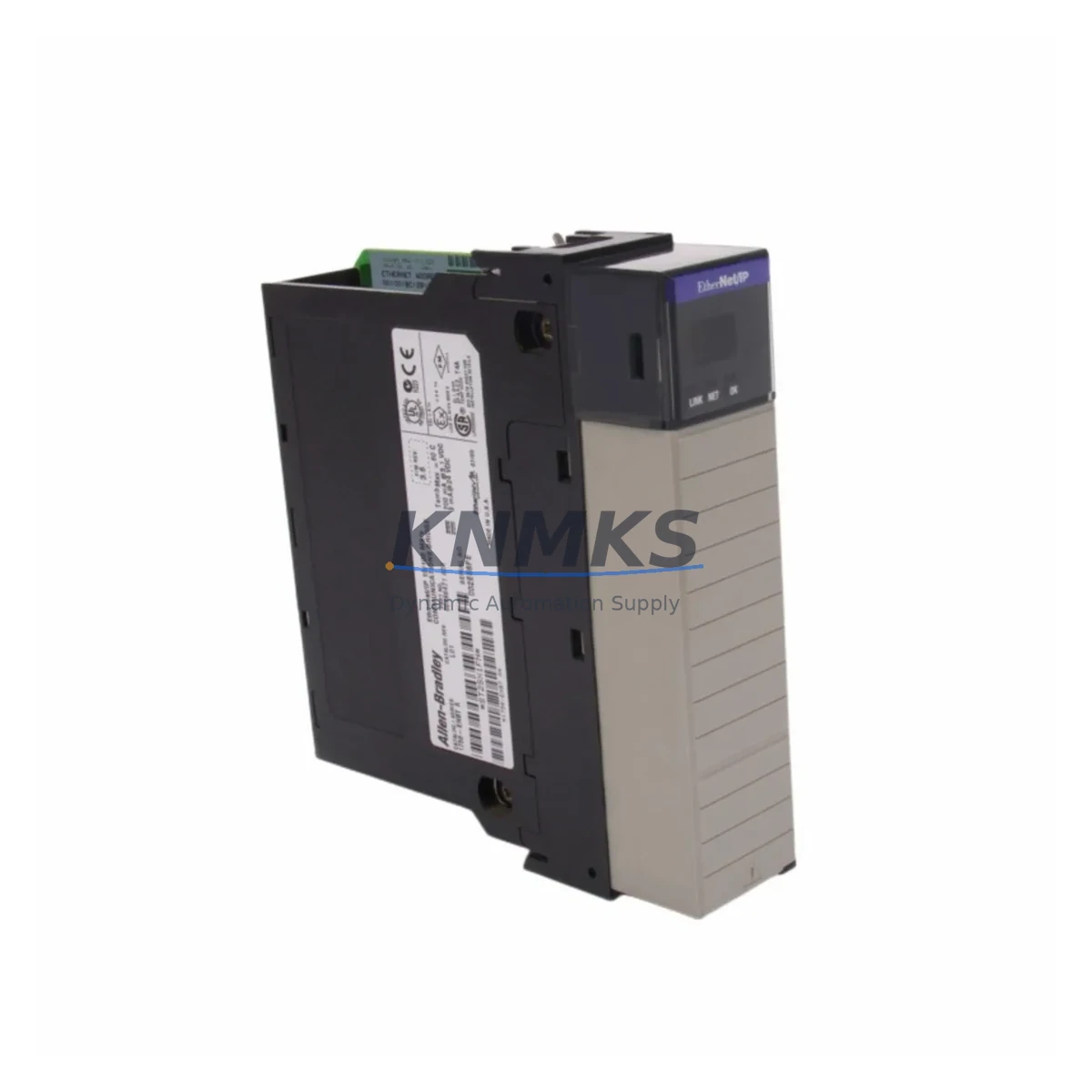
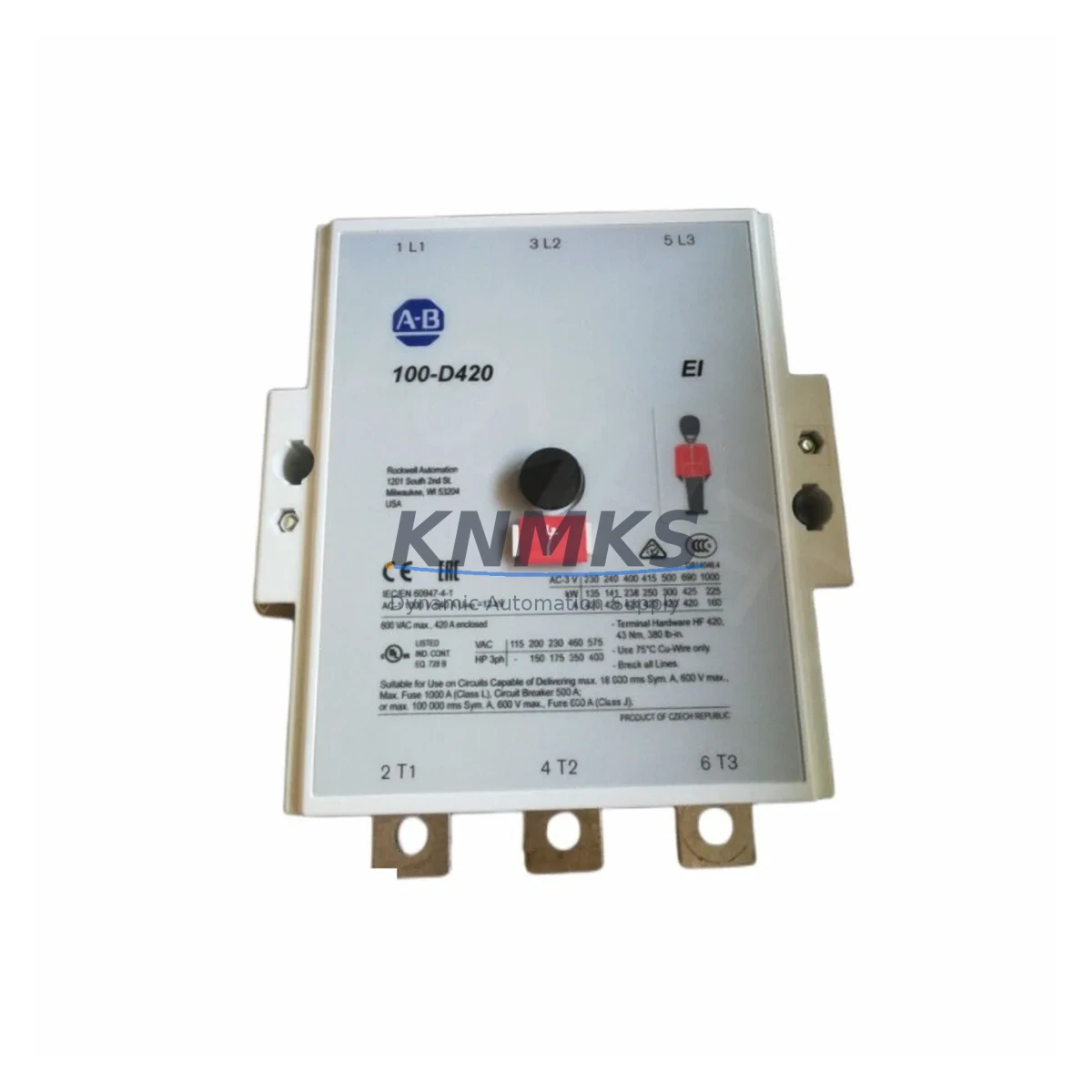
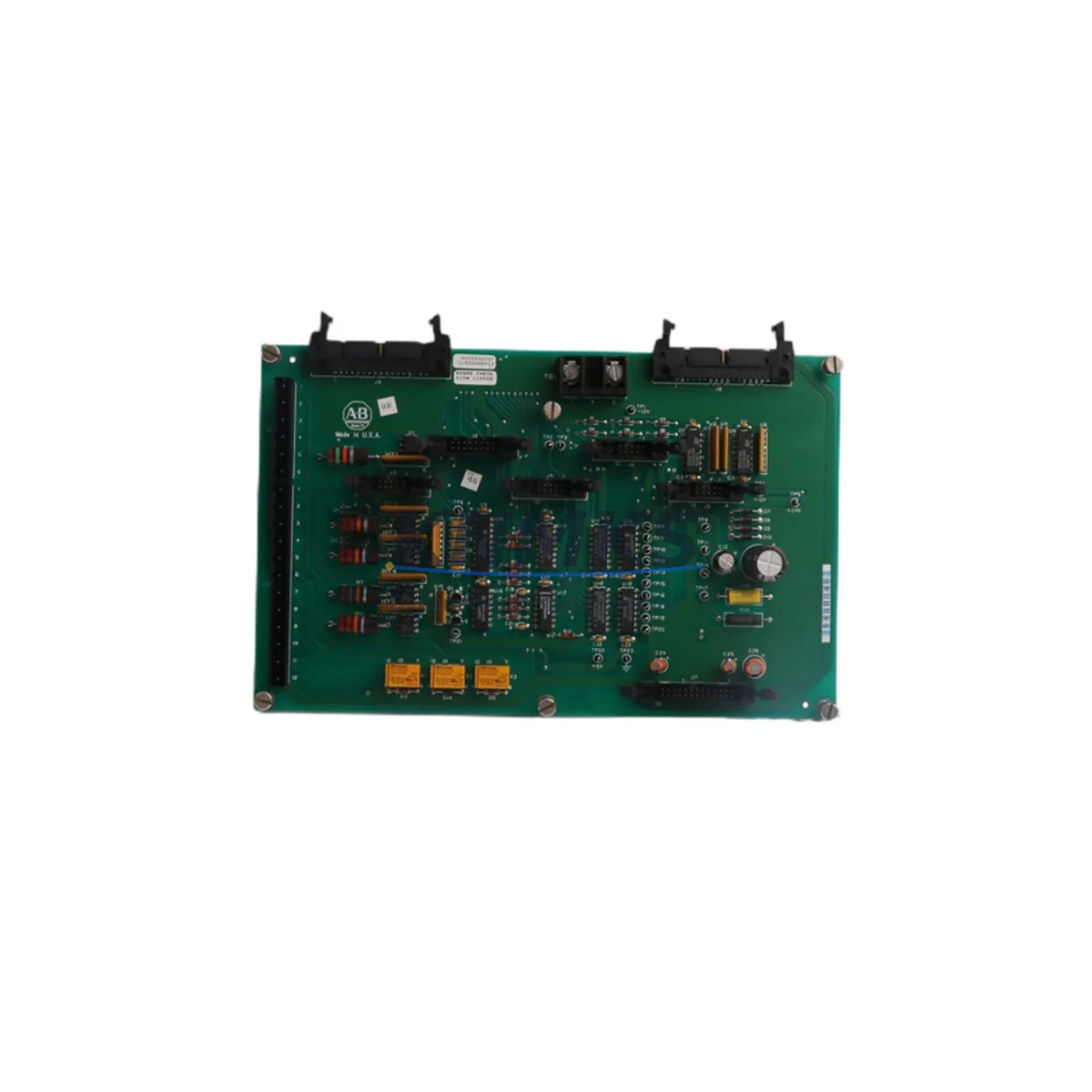
 HMI & Displays
 Servo Systems
 Variable Frequency Drives
 Sensors