
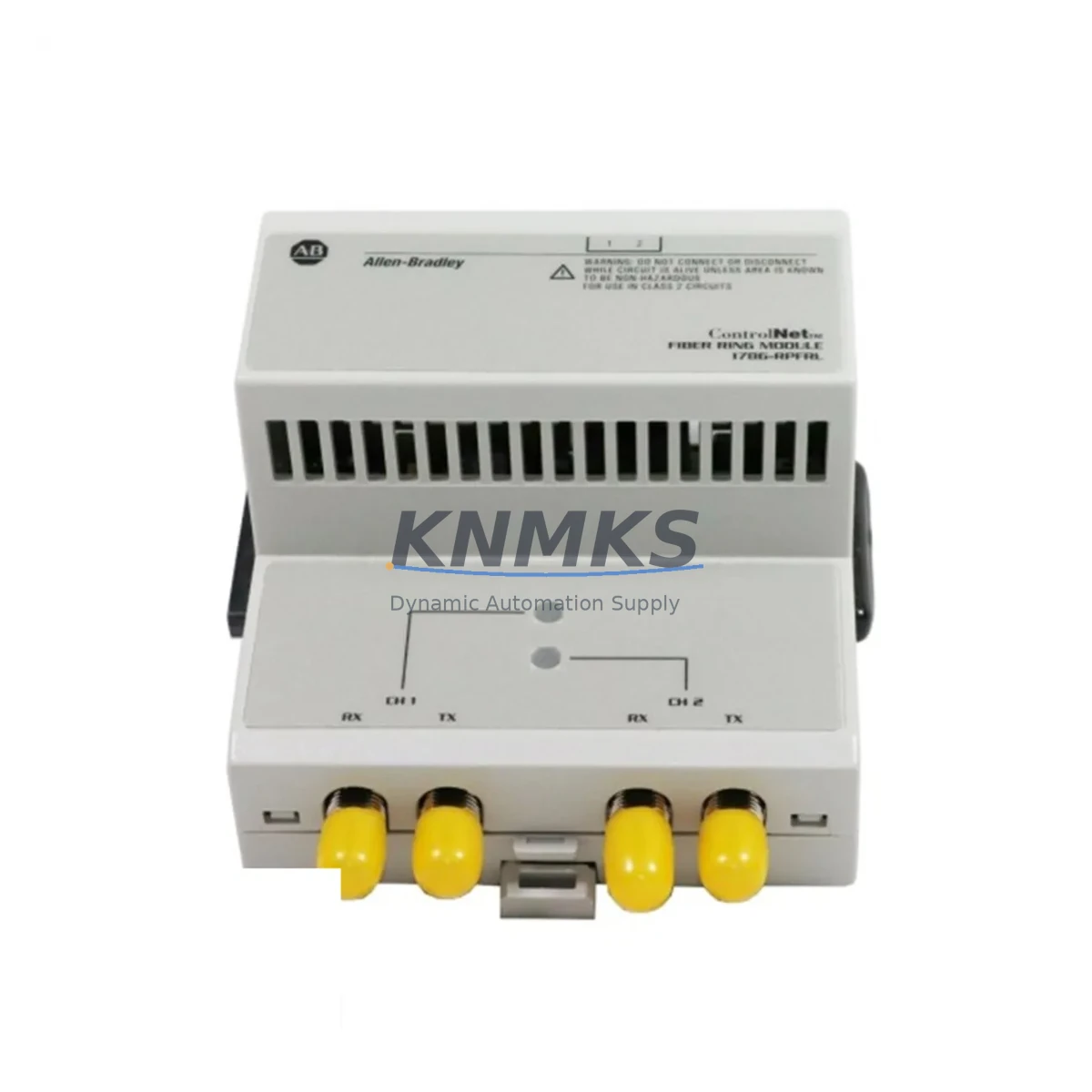
Overview
Allen-Bradley 1786-RPFRL Migration-Ready ControlNet Fiber Repeater: Legacy System Migration & Compatible Upgrade
The Allen-Bradley 1786-RPFRL is a ControlNet fiber ring repeater designed for industrial control networks operating on the 1786 Series ControlNet platform. As legacy ControlNet infrastructure ages and original components reach end-of-life, the 1786-RPFRL has become a critical spare and retrofit component for engineers managing aging production lines, distributed control cabinets, and multi-node fiber ring topologies. Whether you are replacing a failed unit in an active ring, extending an existing ControlNet segment, or migrating a legacy system to a more maintainable architecture, the 1786-RPFRL provides a verified, drop-in compatible solution with minimal disruption to existing wiring and program logic.
ControlNet fiber repeaters like the 1786-RPFRL are essential in environments where copper-based ControlNet segments face distance limitations, electromagnetic interference, or ground loop issues. The fiber ring architecture supported by this module allows redundant signal paths, ensuring that a single cable fault does not interrupt network communication. For facilities running Rockwell Automation ControlLogix or PLC-5 controllers with ControlNet backplane communication, maintaining a verified stock of 1786-RPFRL units is a standard practice in spare parts lifecycle management.
When planning a retrofit or replacement using the 1786-RPFRL, engineers must verify several critical parameters before installation. Power supply capacity within the control cabinet must be confirmed, as the repeater draws from the ControlNet network power budget. Terminal wiring and fiber connector types — typically ST connectors for the 1786-RPFRL — must match the existing cable plant. Backplane interface compatibility with the installed 1786 Series chassis is required, and module address settings must be configured to match the original node assignment to avoid network address conflicts. Program logic stored in the ControlLogix or PLC-5 controller does not require modification for a like-for-like repeater replacement, but any changes to network topology — such as adding a node or extending a segment — will require RSNetWorx for ControlNet to reschedule the network.
HMI screens connected via ControlNet, including PanelView terminals communicating over the 1786 network, should be verified for continued tag mapping after the repeater replacement. Communication links between the ControlNet scanner card — such as the 1756-CNB or 1756-CNBR bridge module — and downstream I/O adapters must be tested to confirm stable NUT (Network Update Time) performance after the new repeater is installed. Installation space within the existing control cabinet or DIN rail enclosure should be measured before ordering, as the 1786-RPFRL has specific mounting requirements that must be accommodated within the existing panel layout.
Firmware version compatibility is another consideration during migration. While the 1786-RPFRL itself does not carry user-configurable firmware in the traditional sense, the ControlNet network schedule managed by RSNetWorx must be compatible with the firmware revision of the connected scanner and adapter modules. Field commissioning should include a full network health check using RSNetWorx for ControlNet, verifying that all nodes are communicating within the scheduled NUT and that no keeper conflicts exist after the repeater replacement.
Migration Compatibility Table
| Parameter | Detail |
|---|---|
| SKU / Part Number | 1786-RPFRL |
| Brand / Manufacturer | Allen-Bradley (Rockwell Automation) |
| Series | 1786 ControlNet Series |
| Function | ControlNet Fiber Ring Repeater |
| Network Protocol | ControlNet (ANSI/IEC 61158) |
| Fiber Connector Type | ST (typical for 1786-RPFRL) |
| Topology Support | Fiber Ring (redundant path) |
| Compatible Controllers | ControlLogix, PLC-5/C (ControlNet variant) |
| Compatible Scanner / Bridge | 1756-CNB, 1756-CNBR, 1771-ACN15 |
| Installation | DIN rail or panel mount (verify cabinet space) |
| Replacement / Retrofit Path | Direct replacement for failed or end-of-life 1786-RPFRL units in existing ring |
| Network Scheduling Tool | RSNetWorx for ControlNet required for topology changes |
| Commissioning Check | Node address, NUT, keeper status, fiber continuity |
| Support terms | support terms confirmed by quotation |
| Origin | United States |
Retrofit Planning for Existing Automation Systems
Successful integration of the 1786-RPFRL into an existing ControlNet ring requires a structured retrofit plan that accounts for all interdependent components in the control architecture. The repeater operates within a network that typically includes a 1756-CNB or 1756-CNBR ControlNet bridge module installed in a ControlLogix chassis, along with multiple 1794-ACN15 or 1734-ACNR ControlNet adapter modules serving distributed I/O drops across the production floor. Each of these nodes must remain addressable and scheduled after the repeater is replaced or repositioned in the ring.
Power distribution within the control cabinet must be reviewed before installation. The 1786-RPFRL is powered from the ControlNet network power supply — typically a 1786-NPS or equivalent — and the total power budget across all connected devices must not be exceeded. If the existing power supply is already near capacity, a supplemental 1786-NPS unit may need to be added to the segment before the new repeater is commissioned.
For facilities migrating from older PLC-5/C-based ControlNet systems to ControlLogix, the 1786-RPFRL can serve as a bridging component during the transition period, maintaining fiber ring integrity while the controller migration is staged across multiple planned outages. During this phase, the existing 1771-ACN15 adapter modules on the legacy PLC-5 rack may continue to operate on the same ControlNet segment as the new ControlLogix system, provided the network schedule is updated in RSNetWorx to reflect the new node configuration.
Signal isolation between the fiber ring and any copper ControlNet tap segments should also be reviewed. If the existing installation includes 1786-RPA or 1786-RPCD coaxial repeaters on hybrid fiber-copper segments, the fiber ring repeater placement must be coordinated to avoid keeper conflicts and ensure that the network schedule remains valid across all segment types. Programming cables such as the 1784-U2CN USB-to-ControlNet interface may be required for on-site RSNetWorx access during commissioning if a dedicated engineering workstation is not available at the panel.
Downtime Control During System Migration
Minimizing unplanned downtime during a ControlNet repeater replacement is achievable with proper pre-staging and a disciplined commissioning sequence. Before the maintenance window begins, the replacement 1786-RPFRL should be bench-tested for physical integrity, fiber connector cleanliness, and correct node address configuration. A backup of the RSNetWorx network schedule file (.xc) should be saved and stored offline so that the original network configuration can be restored immediately if the replacement introduces unexpected behavior.
During the replacement window, the ControlNet ring should be taken offline in a controlled manner by placing the ControlLogix controller in Program mode before disconnecting the failed repeater. This prevents the controller from generating fault alarms on connected I/O modules during the physical swap. Once the new 1786-RPFRL is installed and fiber connections are verified for continuity and correct polarity, the ring can be re-enabled and the controller returned to Run mode. The total physical swap time for an experienced technician is typically under 30 minutes for a like-for-like replacement with no topology changes.
If the retrofit involves topology changes — such as adding a new I/O drop, extending the fiber ring to a new panel, or replacing a copper segment with fiber — the RSNetWorx network reschedule must be completed before returning the system to production. This process requires all nodes to be online and communicating, and the new schedule must be downloaded to the keeper node before the controller is returned to Run mode. Maintaining a pre-configured spare 1786-RPFRL in local inventory significantly reduces the risk of extended downtime caused by international shipping lead times for discontinued or low-stock components.
All units supplied by KNMKS undergo pre-shipment functional inspection and are backed by a support terms confirmed by quotation, ensuring that replacement components arrive ready for immediate installation without additional incoming inspection delays.
Retrofit Support FAQ
Q1: Is the 1786-RPFRL a direct drop-in replacement for an existing unit in my ControlNet fiber ring?
Yes. For a like-for-like replacement of a failed 1786-RPFRL in an existing ring with no topology changes, the module is a direct drop-in replacement. The node address must be set to match the original unit, and fiber connections must be verified for correct polarity (TX to RX). No RSNetWorx rescheduling is required if the ring topology remains unchanged.
Q2: Do I need to modify my PLC program or HMI configuration after replacing the repeater?
No program logic changes are required for a like-for-like repeater replacement. HMI tag mappings and I/O configurations remain intact as long as the network node addresses and NUT are preserved. If the replacement involves adding new nodes or changing the ring topology, RSNetWorx for ControlNet must be used to update and download a new network schedule.
Q3: What pre-shipment testing is performed on the 1786-RPFRL before delivery?
All 1786-RPFRL units supplied by KNMKS undergo a pre-shipment functional inspection covering physical condition, connector integrity, and operational verification. Units are shipped with a support terms confirmed by quotation. Expedited shipping options are available for urgent replacement requirements to minimize production downtime.
Q4: Can the 1786-RPFRL be used in a mixed fiber-copper ControlNet architecture?
Yes. The 1786-RPFRL is designed for fiber ring segments and can coexist on a ControlNet network that also includes copper coaxial tap segments managed by 1786-RPA or 1786-RPCD repeaters. The fiber ring and copper segments operate as separate ControlNet segments bridged through the controller or a dedicated bridge module. Network power budgets for each segment must be calculated independently.
© 2026 KNMKS. All rights reserved.
Original Source: https://knmks.com
Contact: admin@knmks.com | +86 18359268345
Product Identification
- Brand / Ecosystem
-
Allen-Bradley
Allen-Bradley - Model / Series
- 1786-RPFRL
- Product Family
- PLCs & Controllers
- Availability Status
- Available on request after model and quantity confirmation
- Inquiry Type
- B2B RFQ, replacement inquiry and project spare-part request
- Pre-Quote Check
- Exact SKU, brand, series, quantity, nameplate photos and destination country are checked before quotation
System Path
Where this product fits in the KNMKS automation structure.
Specification & Inquiry Focus
- Control platform
- PLC, PAC and modular controllers
- Common needs
- CPU, rack, power and I/O expansion
- Project support
- Replacement, cabinet build and maintenance
Buyer Confirmation
Information KNMKS checks before replying.
- Exact model
- 1786-RPFRL
- Brand / ecosystem
- Allen-Bradley
- Product family
- PLCs & Controllers
- Application note
- Replacement, maintenance, project build or spare-part list
- Useful photos
- Nameplate, installed unit, cabinet layout or connector side
- Delivery details
- Quantity, destination country and target schedule
Document Support
Files and notes can be confirmed during quotation.
- Product photos or nameplate confirmation when available
- Packing and delivery notes before quotation confirmation
- Support scope and delivery terms confirmed per inquiry
- Export document coordination for qualified B2B requests
Inquiry Support
- Model cross-checking before quotation
- CPU, power, rack and expansion module matching
- Support for replacement and project inquiry
What to Send Us
- Brand and exact model number: Allen-Bradley 1786-RPFRL
- Quantity and required delivery time
- Application, replacement requirement or nameplate photo
- Destination country and shipping preference
RFQ Preparation
This is a product inquiry page built for RFQ communication.
Fast Model Check
Send this model to KNMKS for confirmation.
Include quantity, destination country and photos if this is a maintenance replacement. The inquiry will be saved with a reference number after submission.
Brand & Compatibility Note
KNMKS displays automation product information for well-known industrial brand ecosystems and compatible replacement references. Brand names are used for product identification and compatibility reference only; final availability and commercial terms are confirmed per quotation.
 Manufacturing
 Machine Tools
 Packaging
 Energy & Power
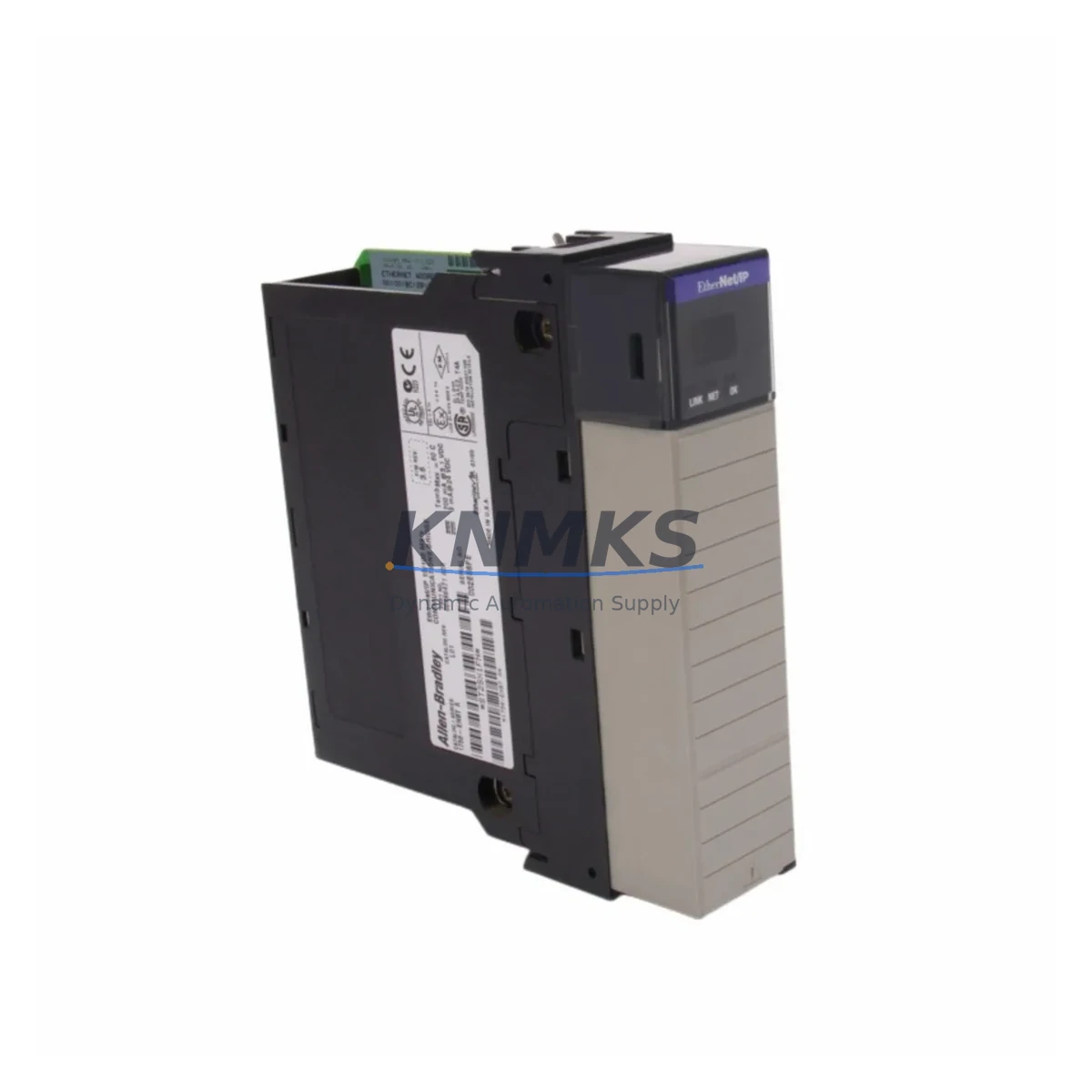
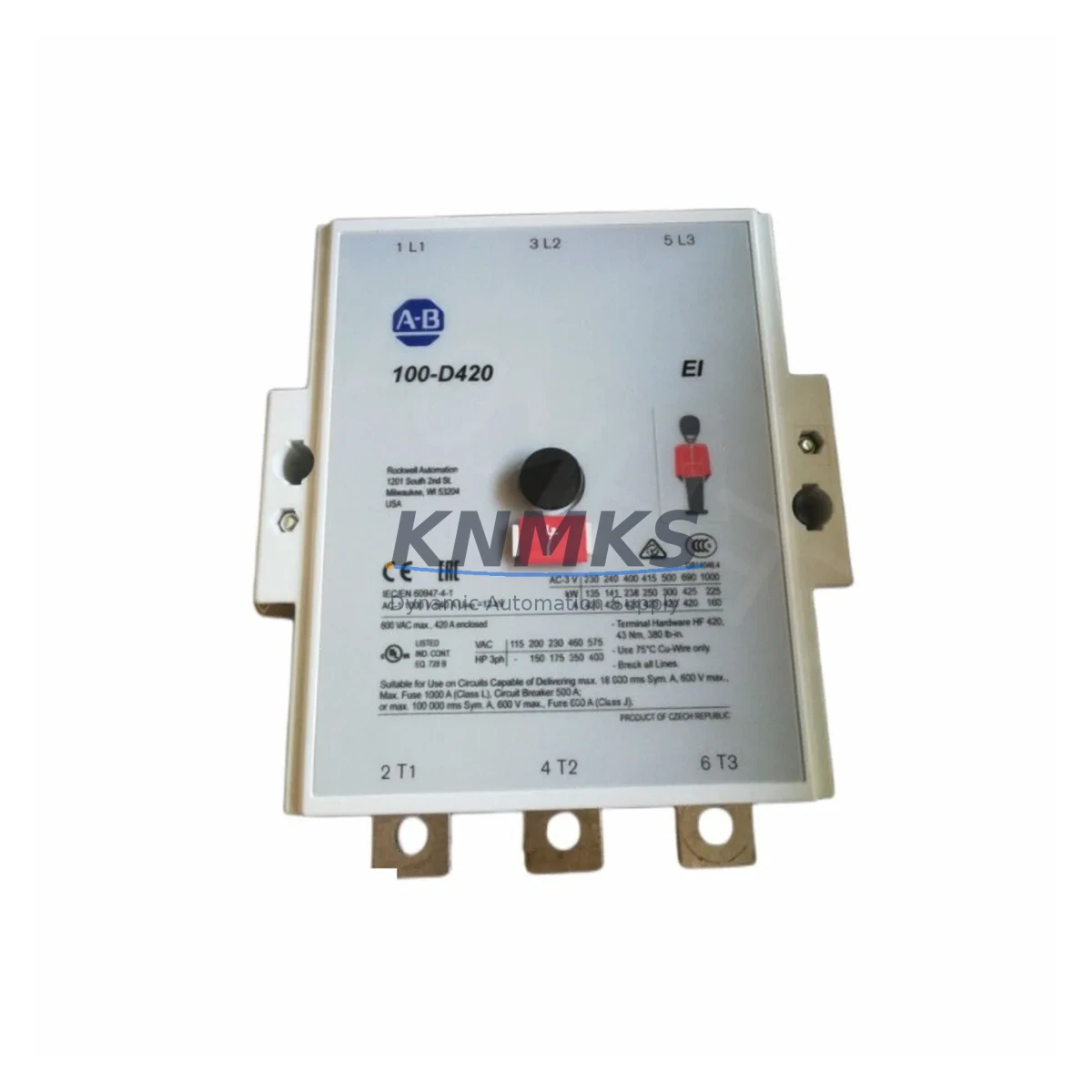
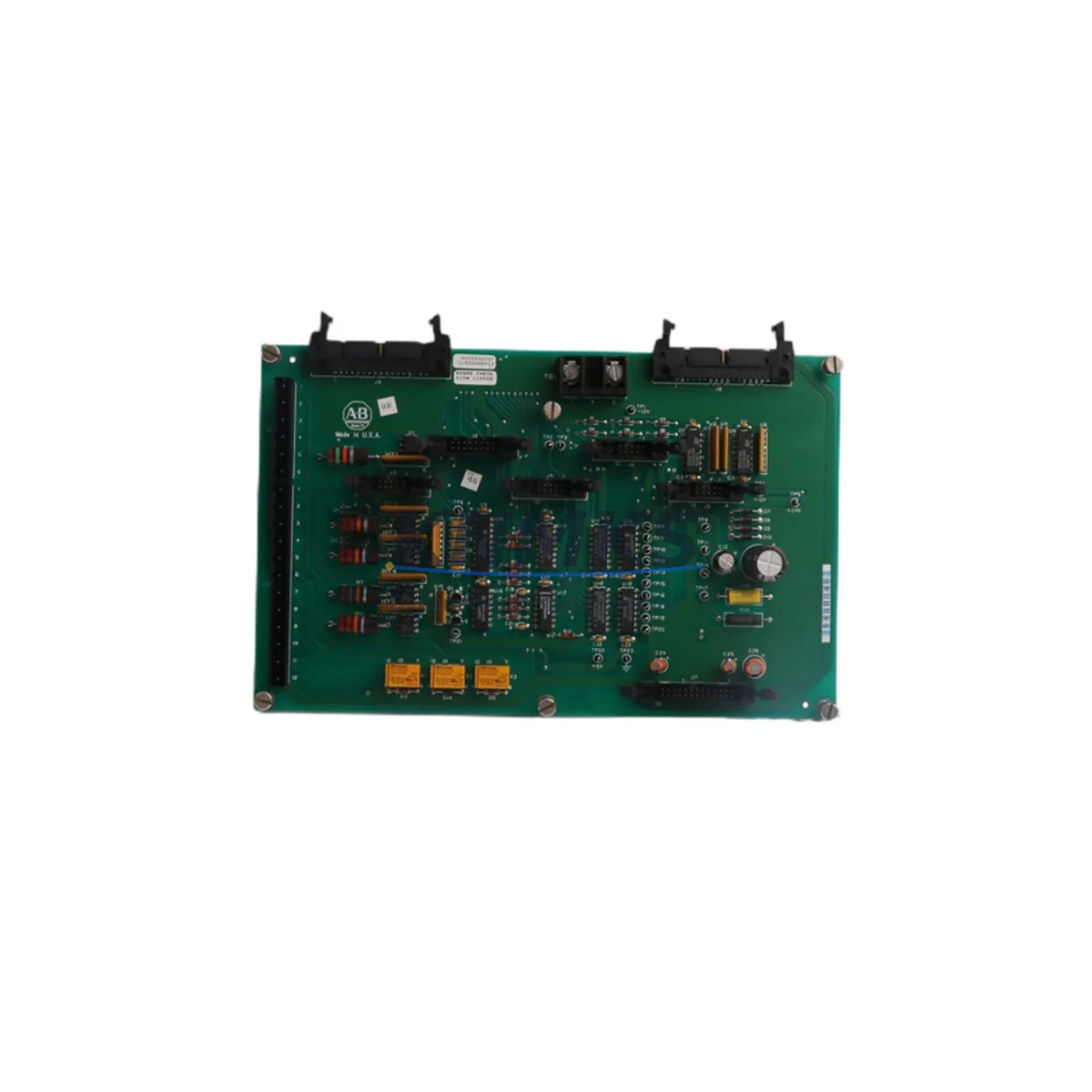
 HMI & Displays
 Servo Systems
 Variable Frequency Drives
 Sensors