
Overview
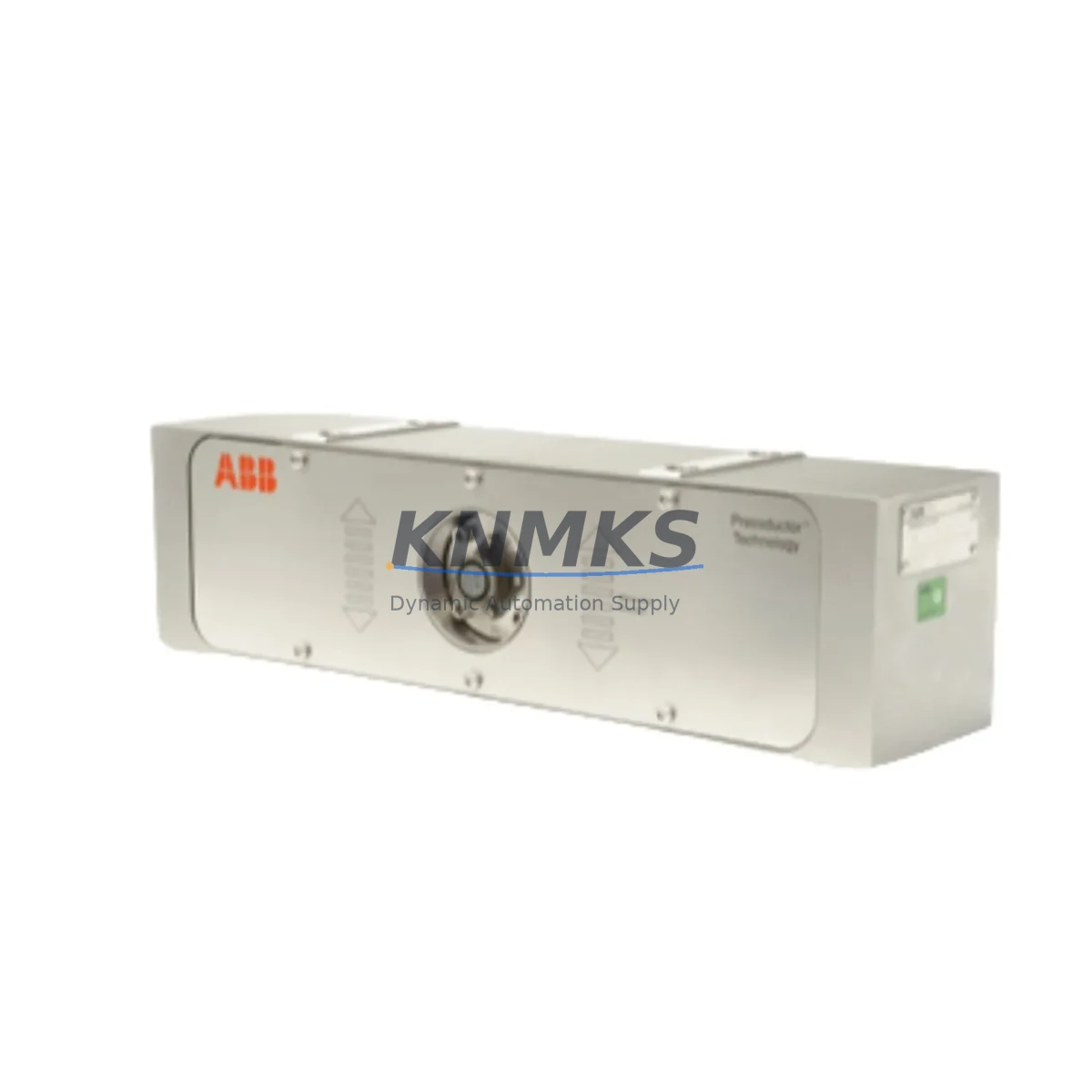
ABB 3BSE007913R0050 Maintenance-Proven Spare Part for Factory Uptime
The ABB 3BSE007913R0050 is a Pressductor PillowBlock Load Cell from ABB’s PFTL 201C series — a precision force-measurement component widely deployed in steel mills, paper machines, rolling lines, crane weighing systems, and continuous process plants. Designed and manufactured in Sweden to ABB’s industrial-grade standards, this load cell converts mechanical force into a reliable electrical signal, forming the backbone of accurate weight and tension control in demanding production environments.
For maintenance engineers managing aging automation infrastructure, the 3BSE007913R0050 represents a critical spare. Its Pressductor technology — based on the magnetoelastic effect — delivers exceptional long-term stability, immunity to shock and vibration, and resistance to harsh environmental conditions including dust, moisture, and temperature extremes. When a load cell in a weighing bridge or tension control loop begins to drift, produce erratic signals, or fails entirely, unplanned downtime cascades quickly across the production line. Stocking a verified replacement unit is the single most effective measure to contain mean time to repair (MTTR) and protect throughput.
This listing covers an original ABB 3BSE007913R0050 unit, function-tested prior to shipment and backed by a support terms confirmed by quotation. Each unit is inspected for mechanical integrity, connector condition, and signal output before dispatch, ensuring it arrives ready for immediate installation without additional bench testing on site.
Spare Maintenance Table
| SKU / Part Number | 3BSE007913R0050 |
| Brand | ABB |
| Series | PFTL 201C — Pressductor PillowBlock |
| Product Type | Industrial Load Cell (Force Transducer) |
| Measurement Principle | Magnetoelastic (Pressductor) |
| Rated Load Range | Refer to ABB PFTL 201C datasheet (typical: 0–500 kN depending on variant) |
| Output Signal | Analogue voltage / current (compatible with ABB PFEA signal conditioning units) |
| Excitation | AC excitation via PFEA 111 / PFEA 112 signal processor |
| Protection Class | IP67 (dust-tight and water-resistant) |
| Operating Temperature | –20 °C to +70 °C |
| Country of Origin | Sweden |
| Compatibility | ABB PFTL 201 series; PFEA 111 / PFEA 112 signal processors; ABB Master / AC 800M DCS systems with analogue I/O modules |
| Typical Applications | Rolling mill tension control, crane weighing, paper machine load monitoring, conveyor belt scales, press force measurement |
| Installation | PillowBlock bearing housing mount; direct mechanical integration into shaft or roll bearing seat |
| Maintenance Interval | Inspect annually or after mechanical shock events; recalibrate after replacement |
| Support terms | 12 Months — function-tested before shipment |
Maintenance Planning for Continuous Operation
Replacing the ABB 3BSE007913R0050 in the field is rarely an isolated task. The load cell operates as part of a tightly coupled measurement chain, and a thorough maintenance plan must account for every component in that chain to avoid repeat failures and ensure measurement accuracy after recommissioning.
The most critical companion component is the ABB PFEA 111 or PFEA 112 signal processor. This unit provides the AC excitation voltage to the Pressductor element and converts the raw magnetoelastic output into a standardised analogue signal (typically 4–20 mA or 0–10 V) for the DCS or PLC. If the load cell has failed due to overload or electrical surge, the PFEA signal processor should be inspected for input protection damage before the new 3BSE007913R0050 is connected. A damaged PFEA unit will corrupt the signal from a new load cell within hours of operation.
Downstream from the PFEA, the analogue input module in the control cabinet — whether an ABB AI810, AI820, or equivalent S800 I/O module in an AC 800M system — should be verified for correct channel scaling and input impedance. Misconfigured analogue input ranges are a common source of post-replacement calibration errors that are mistakenly attributed to the load cell itself.
The field cabling and connector assembly between the 3BSE007913R0050 and the PFEA processor deserves particular attention. Pressductor load cells use a dedicated multi-core shielded cable; any damage to the shield continuity, connector pins, or cable insulation will introduce noise into the low-level AC signal and produce unstable weight readings. During a planned replacement, it is best practice to replace the field cable segment simultaneously, especially in installations older than five years or those exposed to mechanical abrasion.
For installations integrated into ABB’s Master Bus or PROFIBUS DP communication network, verify that the PFEA unit’s network address and baud rate settings are correctly restored after replacement. Communication parameter loss is a common oversight during emergency swap-outs that delays recommissioning unnecessarily.
Finally, review the power supply rail feeding the PFEA signal processor. ABB recommends a dedicated 24 VDC supply with adequate current margin. A shared or undersized power supply that sags under load can cause the PFEA to produce intermittent output errors that mimic load cell faults. Checking supply voltage under full load conditions before and after replacement eliminates this variable from the fault diagnosis.
Maintenance teams operating rolling mills or crane systems should also consider stocking the ABB PFTL 201B (adjacent capacity variant) and the PFEA 111 signal processor as companion spares alongside the 3BSE007913R0050. A two-unit buffer of load cells combined with one spare PFEA processor covers the most common failure scenarios without requiring emergency air freight.
Site Replacement Workflow
Step 1 — Isolate and de-energise. Follow your site LOTO (Lockout/Tagout) procedure. Isolate the 24 VDC supply to the PFEA signal processor and confirm zero energy state at the load cell connector before disconnecting any wiring.
Step 2 — Document existing configuration. Record the PFEA processor’s calibration parameters, zero offset, span setting, and any network address configuration before removal. Photograph the wiring terminations. This documentation is essential for rapid recommissioning and eliminates guesswork if the PFEA must also be replaced.
Step 3 — Mechanical removal. The PFTL 201C PillowBlock design allows the load cell to be unbolted from the bearing housing without disturbing the shaft alignment in most installations. Follow ABB’s mechanical installation guide (document 3BSE004641) for torque specifications and alignment tolerances. Incorrect reinstallation torque is the leading cause of premature load cell failure after replacement.
Step 4 — Install the 3BSE007913R0050. Mount the new unit to the specified torque. Route the shielded cable away from power conductors and secure with appropriate cable clamps. Connect the cable shield at the PFEA end only (single-point earthing) to prevent ground loop interference.
Step 5 — Restore and calibrate. Re-energise the PFEA processor and restore the saved calibration parameters. Perform a zero calibration with no load applied, then a span calibration using a known reference load. Verify the output signal at the analogue input module in the DCS and confirm the engineering unit reading matches the reference load within the specified accuracy band.
Step 6 — Functional test and handover. Run the process through a representative load cycle and monitor the signal for stability. Log the calibration results and update the equipment maintenance record. A replacement 3BSE007913R0050 installed and calibrated correctly will restore measurement performance to original factory specification and support continuous operation for years without further intervention.
Spare Parts Support FAQ
Q1: Is the 3BSE007913R0050 a direct drop-in replacement for older PFTL 201C units?
Yes. The 3BSE007913R0050 maintains dimensional and electrical compatibility with the PFTL 201C PillowBlock series. It connects directly to existing PFEA 111 and PFEA 112 signal processors without wiring modifications. A recalibration of the PFEA span and zero settings is required after installation, as individual load cells have minor unit-to-unit sensitivity variations within the published tolerance band.
Q2: How is each unit tested before shipment?
Every 3BSE007913R0050 dispatched from our warehouse undergoes a pre-shipment functional test covering mechanical integrity inspection, connector pin continuity check, insulation resistance measurement, and signal output verification under simulated excitation. A test record is available on request. The unit is covered by a support terms confirmed by quotation from the date of shipment.
Q3: What is the recommended inventory strategy for this load cell?
For facilities operating a single rolling line or crane system with one or two PFTL 201C load cells, we recommend maintaining a minimum of one spare 3BSE007913R0050 on-site at all times. Facilities with multiple measurement points or high-cycle applications (e.g., press force monitoring) should consider a two-unit buffer. Lead times for new ABB load cells from distribution can extend to 8–16 weeks during allocation periods; on-site stock eliminates this risk entirely.
Q4: Can you support long-term supply for annual maintenance programmes?
Yes. We support blanket order arrangements for maintenance teams that require guaranteed annual supply of the 3BSE007913R0050 and companion components such as the PFEA 111 signal processor and PFTL series field cables. Contact our team to discuss volume pricing, reserved stock agreements, and scheduled delivery terms aligned to your planned maintenance calendar.
© 2026 KNMKS. All rights reserved.
Original Source: https://knmks.com
Contact: admin@knmks.com | +86 18359268345
Product Identification
- Brand / Ecosystem
-
ABB
ABB - Model / Series
- 3BSE007913R0050
- Product Family
- Sensors
- Availability Status
- Available on request after model and quantity confirmation
- Inquiry Type
- B2B RFQ, replacement inquiry and project spare-part request
- Pre-Quote Check
- Exact SKU, brand, series, quantity, nameplate photos and destination country are checked before quotation
System Path
Where this product fits in the KNMKS automation structure.
Specification & Inquiry Focus
- Sensor range
- Photoelectric, proximity and process sensors
- Common needs
- Output type, distance and connector
- Project support
- Machine detection and replacement inquiry
Buyer Confirmation
Information KNMKS checks before replying.
- Exact model
- 3BSE007913R0050
- Brand / ecosystem
- ABB
- Product family
- Sensors
- Application note
- Replacement, maintenance, project build or spare-part list
- Useful photos
- Nameplate, installed unit, cabinet layout or connector side
- Delivery details
- Quantity, destination country and target schedule
Document Support
Files and notes can be confirmed during quotation.
- Product photos or nameplate confirmation when available
- Packing and delivery notes before quotation confirmation
- Support scope and delivery terms confirmed per inquiry
- Export document coordination for qualified B2B requests
Inquiry Support
- NPN/PNP, analog and digital output checking
- Connector and cable compatibility review
- Fast inquiry support for maintenance teams
What to Send Us
- Brand and exact model number: ABB 3BSE007913R0050
- Quantity and required delivery time
- Application, replacement requirement or nameplate photo
- Destination country and shipping preference
RFQ Preparation
This is a product inquiry page built for RFQ communication.
Fast Model Check
Send this model to KNMKS for confirmation.
Include quantity, destination country and photos if this is a maintenance replacement. The inquiry will be saved with a reference number after submission.
Brand & Compatibility Note
KNMKS displays automation product information for well-known industrial brand ecosystems and compatible replacement references. Brand names are used for product identification and compatibility reference only; final availability and commercial terms are confirmed per quotation.
 Manufacturing
 Machine Tools
 Packaging
 Energy & Power
 PLCs & Controllers
 HMI & Displays
 Servo Systems
 Variable Frequency Drives